
How to Become a Snorkel Guide in Australia: Qualifications, Careers & Getting Started

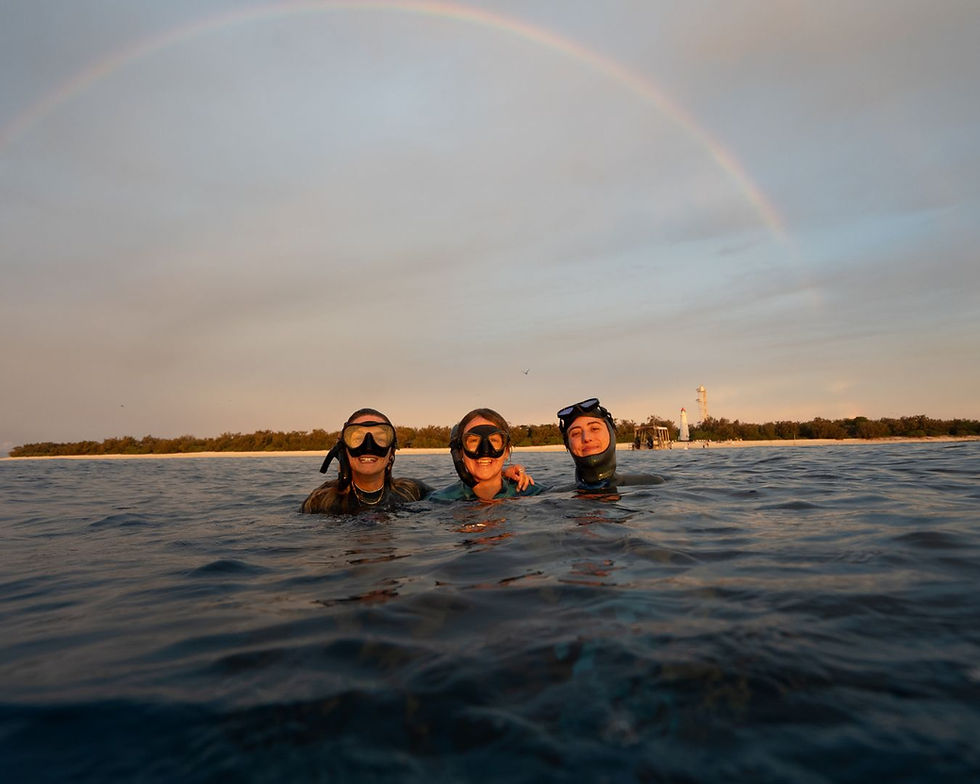
Love the ocean? Here's how you can turn your passion into a career in marine tourism.
Have you ever been out on a whale swim, snorkelling tour or marine wildlife expedition and thought, "I'd love to do this for work"?
The good news is, working in the ocean might be more achievable than you think.
Australia has an incredible marine tourism industry, with opportunities ranging from snorkelling with tropical reef fish on the Great Barrier Reef to guiding wildlife experiences with whales, seals, dolphins and other marine life.
And while many people assume you need to be a qualified scuba diving or freediving instructor to work in the industry, that's not necessarily the case.
Becoming a qualified Snorkel Guide or Snorkel Instructor can be one of the most accessible ways to get your foot in the door.
In this guide, we'll explain what snorkel guides do, the qualifications available, where you could work and how to get started.
What Is a Snorkel Guide?
A snorkel guide is someone trained to lead, supervise and assist people during snorkelling activities.
While it might sound as simple as taking people for a swim, there's actually a lot more responsibility involved.
A good snorkel guide is responsible for helping participants feel comfortable, managing groups, identifying potential hazards and making sure everyone has a safe and enjoyable experience.
This is particularly important when working with beginners, children, tourists or people who aren't confident swimmers.
Depending on the location and operation, a snorkel guide's responsibilities might include:
Leading guided snorkelling tours and marine wildlife experiences.
Conducting safety briefings and explaining snorkelling equipment.
Helping beginners build confidence in the water.
Supervising groups and maintaining appropriate safety procedures.
Assessing environmental conditions and identifying hazards.
Assisting with equipment and coordinating with vessel crews.
Sharing knowledge about marine life and the local environment.
Ultimately, being a great guide isn't just about being a strong swimmer. It's about being able to look after others while sharing your passion for the ocean.
Why Are Qualified Snorkel Guides Important?
The ocean is an incredible place, but it's also a dynamic environment.
Conditions can change, participants have different swimming abilities, and even relatively calm water can present challenges for someone who isn't confident.
This is where proper training becomes so valuable.
Being comfortable in the ocean yourself is very different from being responsible for a group of people in the ocean.
A professional snorkelling qualification helps bridge that gap.
It develops your understanding of risk management, group supervision, emergency procedures and how to introduce people to snorkelling safely.
It also provides a recognised foundation of training that can be valuable when applying for marine tourism positions.
For tour operators, employing appropriately qualified guides helps support professional standards, safety and consistency across their experiences.
What Jobs Can You Do With a Snorkel Guide Qualification?

One of the biggest advantages of becoming a qualified snorkel guide is the variety of opportunities it can help you pursue.
1. Whale Swim & Marine Wildlife Tours
Working on a whale swim boat is a dream job for plenty of ocean lovers.
Australia has incredible marine wildlife experiences, including humpback whale encounters, whale shark expeditions and swimming with seals.
Guides help prepare guests for entering the water, conduct briefings, manage groups and support safe wildlife encounters.
An SSI Snorkel Instructor qualification can be a valuable foundation for these roles, although operators may require additional training, experience and safety certifications.
2. Snorkelling Tours & Boat Charters
From the Great Barrier Reef and Ningaloo Reef to Sydney, Jervis Bay and the South Coast, Australia has countless opportunities for guided snorkelling experiences.
Snorkel guides may work aboard tourism vessels, on reef tours or at coastal snorkelling locations.
Responsibilities can include guiding guests, assisting less experienced swimmers, supervising snorkelling activities and sharing information about local marine life.
3. Marine Eco-Tourism & Conservation
If you're passionate about marine conservation, snorkelling qualifications can also be relevant to eco-tourism and marine education roles.
These might include assisting with educational snorkelling experiences, introducing visitors to marine ecosystems or helping promote responsible wildlife interactions.
For those interested in marine biology, conservation or environmental education, it's a great way to begin developing practical experience working with groups in the ocean.
4. Underwater Photography & Ocean Experiences
Underwater photographers often work in environments where strong ocean awareness and safety skills are essential.
Whether you're photographing guests on snorkelling expeditions, assisting with marine wildlife photography trips or supporting an underwater production, additional training in group supervision and water safety can be extremely valuable.
It's important to understand that a snorkelling qualification doesn't automatically qualify you as a professional safety diver or occupational diver, but it can complement your existing experience and help you develop your skills.
5. Community Groups, Outdoor Education & Ocean Clubs
You don't necessarily need to be pursuing a full-time career to benefit from becoming a snorkel guide.
These skills are also valuable for:
Community snorkelling groups and ocean clubs.
Outdoor education and adventure programs.
Marine conservation groups.
Youth programs and organised ocean activities.
Community leaders wanting to introduce others to snorkelling.
For anyone regularly organising ocean activities, learning how to properly supervise groups, assess conditions and manage risks is a worthwhile investment.
What Qualifications Do You Need to Become a Snorkel Guide?

One internationally recognised pathway is the SSI Snorkel Instructor certification.
SSI (Scuba Schools International) is a globally recognised diving education organisation, with training programs delivered internationally.
Its Snorkel Instructor qualification follows ISO 13970, an international standard relating to the training of recreational snorkelling guides.
Despite the name, this qualification isn't just for people wanting to teach snorkelling.
Active-status SSI Snorkel Instructors are also qualified under SSI standards to guide snorkellers on open-water excursions.
The certification allows you to:
Teach the SSI Snorkel Diver program.
Introduce beginners to essential snorkelling skills.
Supervise snorkelling activities.
Guide snorkellers on open-water excursions.
Depending on the position, employer and location, additional qualifications such as first aid, CPR, vessel safety training or other industry-specific certifications may be required.
An SSI qualification provides a professional training foundation, rather than a guarantee of employment or authorisation to undertake every commercial marine activity.
Do You Need to Be a Freediver or Scuba Diver?
No! This is one of the biggest misconceptions about entering the industry.
You don't need to hold a scuba diving or freediving certification to enrol in the SSI Snorkel Instructor program.
However, you should already be a comfortable, confident swimmer with good water skills.
You don't need to be able to dive to 20 metres or hold your breath for several minutes.
What's far more important is your confidence at the surface, awareness of your surroundings and ability to develop the skills required to look after others.
SSI candidates must be at least 18 years old and successfully complete the required water fitness assessment and course evaluations.
If you already have freediving, scuba diving or other ocean experience, that's certainly an advantage, but it isn't a prerequisite.
What Will You Learn During a Snorkel Instructor Course?

The SSI Snorkel Instructor program combines knowledge development with practical skill assessments.
The aim is to develop the confidence and ability to safely introduce people to snorkelling and supervise activities in the water.
Training covers areas such as:
Snorkelling Skills & Equipment
Learn about equipment, effective snorkelling techniques and how to demonstrate skills to others.
Group Management & Supervision
Develop the skills required to supervise people with varying experience and confidence levels.
Risk Assessment & Ocean Safety
Understand environmental hazards, safe operating practices and the importance of planning activities appropriately.
Teaching & Communication
Learn how to explain snorkelling skills, deliver briefings and communicate effectively with participants.
Emergency Awareness & Procedures
Develop an understanding of how to prevent incidents, recognise problems and respond appropriately.
The official SSI program has a recommended training duration of approximately 6–10 hours, although course scheduling and completion depend on the training provider and individual assessment requirements.
Is Becoming a Snorkel Guide a Good First Step Into Marine Tourism?
Absolutely.
One of the biggest challenges people face when trying to enter the marine tourism industry is gaining their first relevant qualification and practical experience.
Many roles value a combination of qualifications, ocean confidence, customer service skills and experience working with groups.
For someone looking to make a career change, work seasonally in tourism or gain experience before progressing to further diving qualifications, becoming a Snorkel Instructor can be a practical first step.
And for those already working aboard boats or in outdoor recreation, it can be a useful addition to your existing qualifications.'
From there, you might decide to pursue additional training in freediving, scuba diving, marine tourism, vessel operations or other specialist areas.
How to Become a Qualified Snorkel Guide With Deep Sensations Freediving

At Deep Sensations Freediving, we believe that a career in the ocean should be accessible to people who are passionate, motivated and willing to learn.
We've spent years introducing people to the underwater world through freediving courses, wildlife expeditions, ocean training and marine experiences.
We've seen firsthand how valuable confident, capable and professional ocean guides are, particularly when working with people who may be experiencing the ocean for the very first time.
That's why we're excited to now offer SSI Snorkel Instructor / Snorkel Guide Courses.
Whether you want to work on whale swim boats, become a snorkelling guide, get involved in marine tourism or simply develop your skills as an ocean leader, this course is designed to help you take that first step.
Ready to Get Started?
You don't need to be an experienced freediver or scuba diver.
You just need a love for the ocean, confidence in the water and a willingness to learn.
Take your first step towards a career in the ocean with Deep Sensations Freediving.
Or, enquire about our upcoming SSI Snorkel Guide / Snorkel Instructor Courses and get qualified!


Comments